
Ethics — Avoidance of Confirmation Bias in Professional Practice
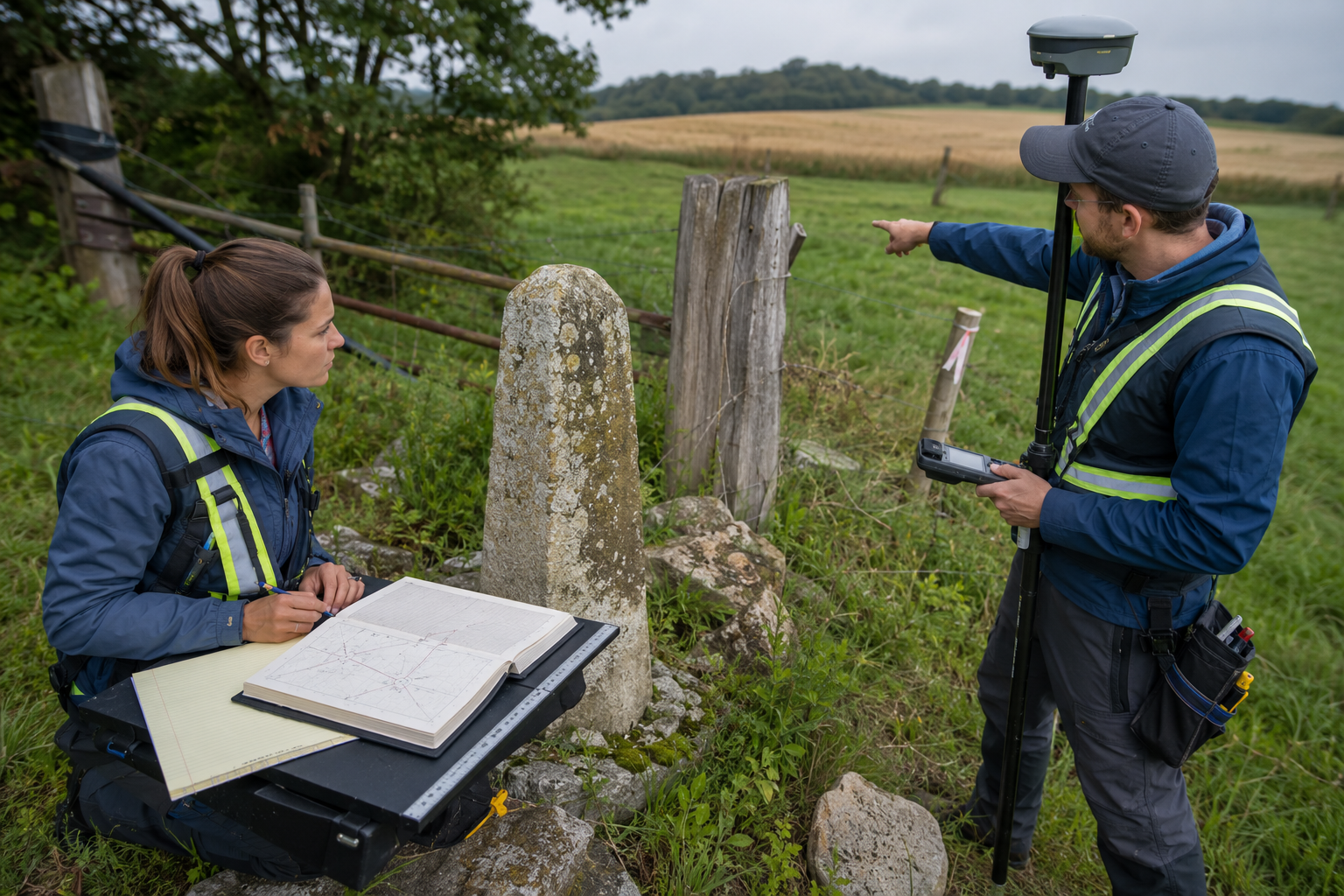
About Course
Course Description
This course examines the intersection of professional ethics and cognitive bias, focusing on confirmation bias and its influence on technical judgment, decision-making, and professional responsibility.
Licensed professionals are obligated to safeguard public health, safety, property, and welfare through objective, evidence-based decisions. Confirmation bias can subtly distort data collection, boundary and technical analysis, risk evaluation, reporting, peer review, and the interpretation of conflicting evidence.
Through ethical frameworks, case studies, and practical decision-making methods, this course presents strategies for recognizing and counteracting confirmation bias. These practices help professional land surveyors, engineers, and technical managers maintain objectivity, professional integrity, and defensible decision-making.
Course Objectives
Upon completing this course, participants should be able to:
- Explain professional ethical obligations established by licensing boards and professional organizations.
- Define confirmation bias and explain how it affects professional decision-making.
- Recognize ethical risks associated with biased judgment and misrepresentation of technical evidence.
- Apply structured ethical reasoning to counteract confirmation bias.
- Evaluate cases in which confirmation bias influenced technical outcomes.
- Develop practical methods for promoting objectivity in analysis, reporting, and peer review.
Course ID CNF101
Credits 4 PDH
Format Self-paced PDF study guide with final examination
Intended Audience Professional land surveyors, professional engineers, surveying and engineering managers, and licensed professionals responsible for analysis, data interpretation, reporting, peer review, and objective technical decision-making.
Publication Source MondoScience Courseware
Instructor Jeelan Moghraby, PhD, MBA
Course Content
Course Materials and Examination
-
Study Guide
-
Final Examination